What we ask is important. How we ask it is just as crucial.
“If it is useful for one person to think things through, then it is surely useful for everyone.”
— Tom Sherrington
Inclusive lesson design is a topic that deserves the attention it is currently receiving. As a teacher it is a core component of what we must do everyday; include everybody in our lessons. But when we talk about inclusion, what might this look like in the day-to-day reality of a geography classroom?
I want to share a few thoughts, alongside some practical resources, about a lesson strategy that gives every student the opportunity to think and participate.
I’ll start by posing a challenge.
Can you plan a lesson activity, lasting no more than ten minutes, that:
Guarantees 100% participation.
Is inclusive of all learners.
Allows you to adapt your teaching in the moment, responding to misconceptions as they arise.
Provides a robust check for understanding, leaving you in tune with the understanding of your class.
Creates opportunities for pair discussion and further questioning.
It sounds like a fairly tall order. Five different demands to satisfy in a single activity, with ten minutes to do it.
But I think the solution can be surprisingly simple.
A well-designed and intentional low-stakes quiz.
But crucially, making sure we quiz in the right way.
Example from a Year 8 mixed ability Geography class
Let's take a geography classic: Malthusian beliefs vs Boserupian beliefs - contrasting philosophies on population growth. Students have never heard of these before the lesson.
Having explained the two theories, I wanted to establish whether students could distinguish between them. Not whether they had neatly copied the definitions into their books, or whether a few confident students could explain the difference, but whether everyone in the room could actually apply what they had just listened to and understood the difference.
So, students closed their booklets, and got their mini-whiteboards ready.
I presented a series of statements, one at a time, and asked students to decide whether each represented a Malthusian or a Boserupian view of population growth. The statements varied in complexity and language, gradually requiring students to do more than simply recognise a definition. Below is some screenshots from that quiz (not the whole thing).
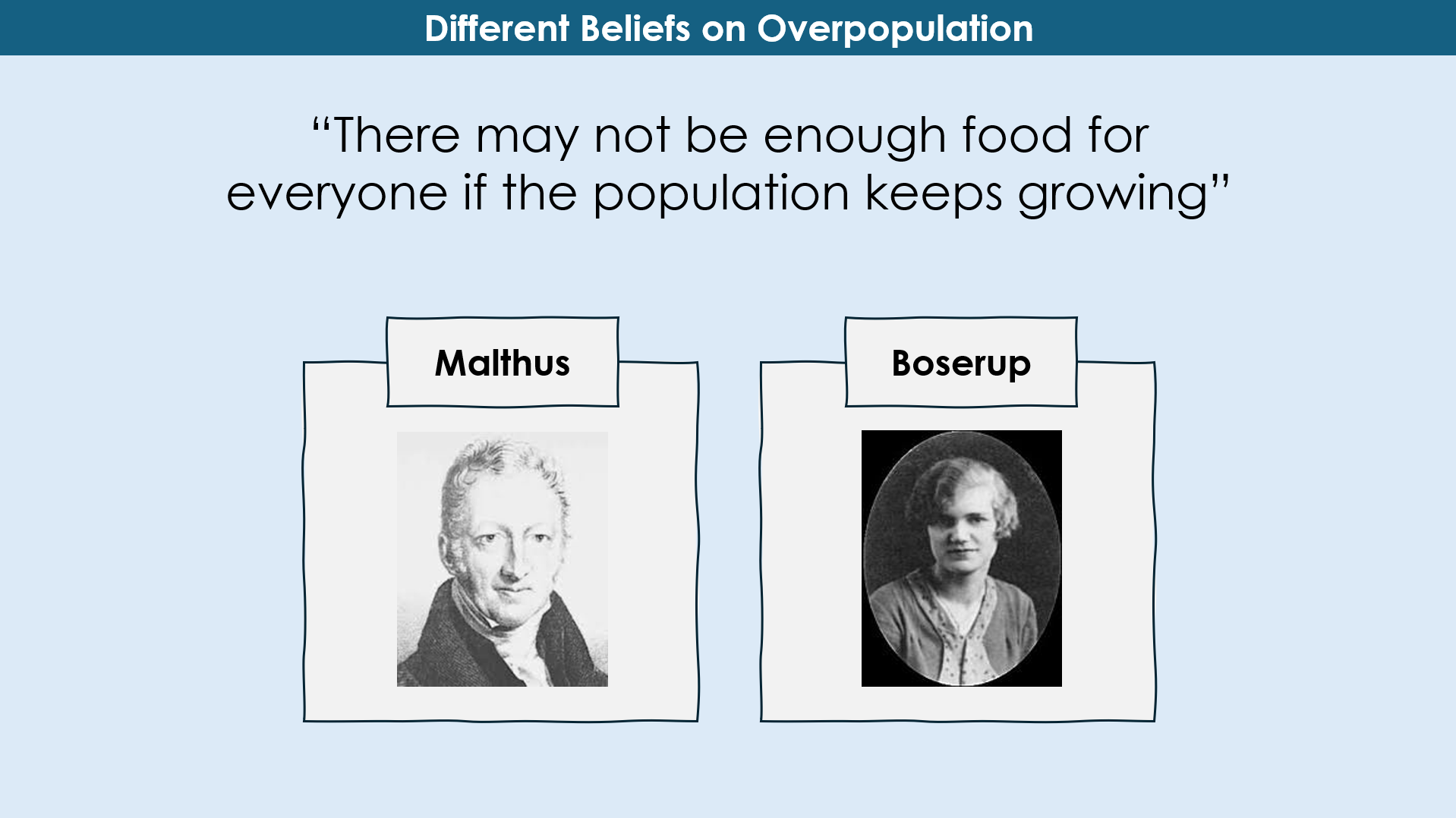
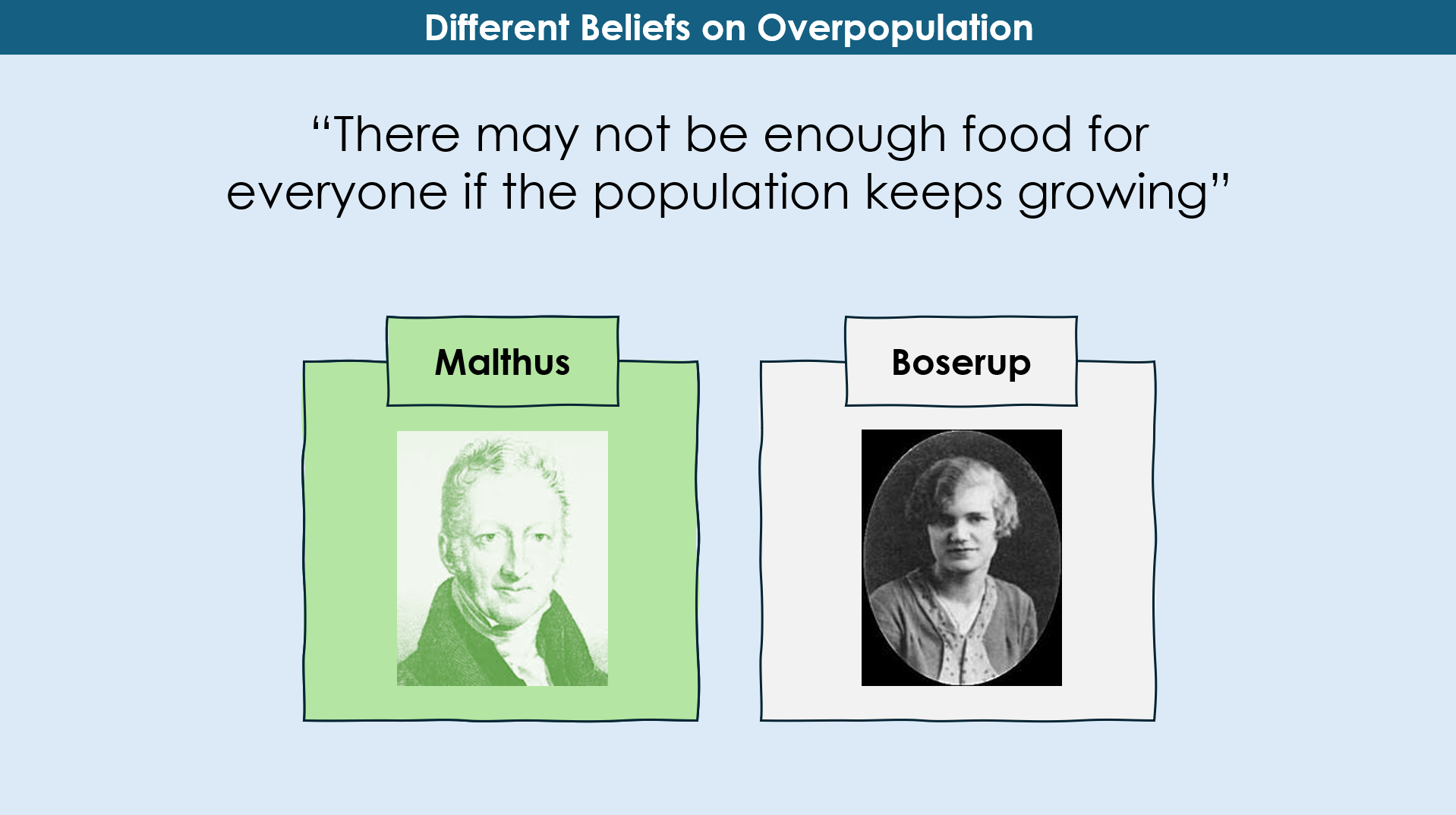
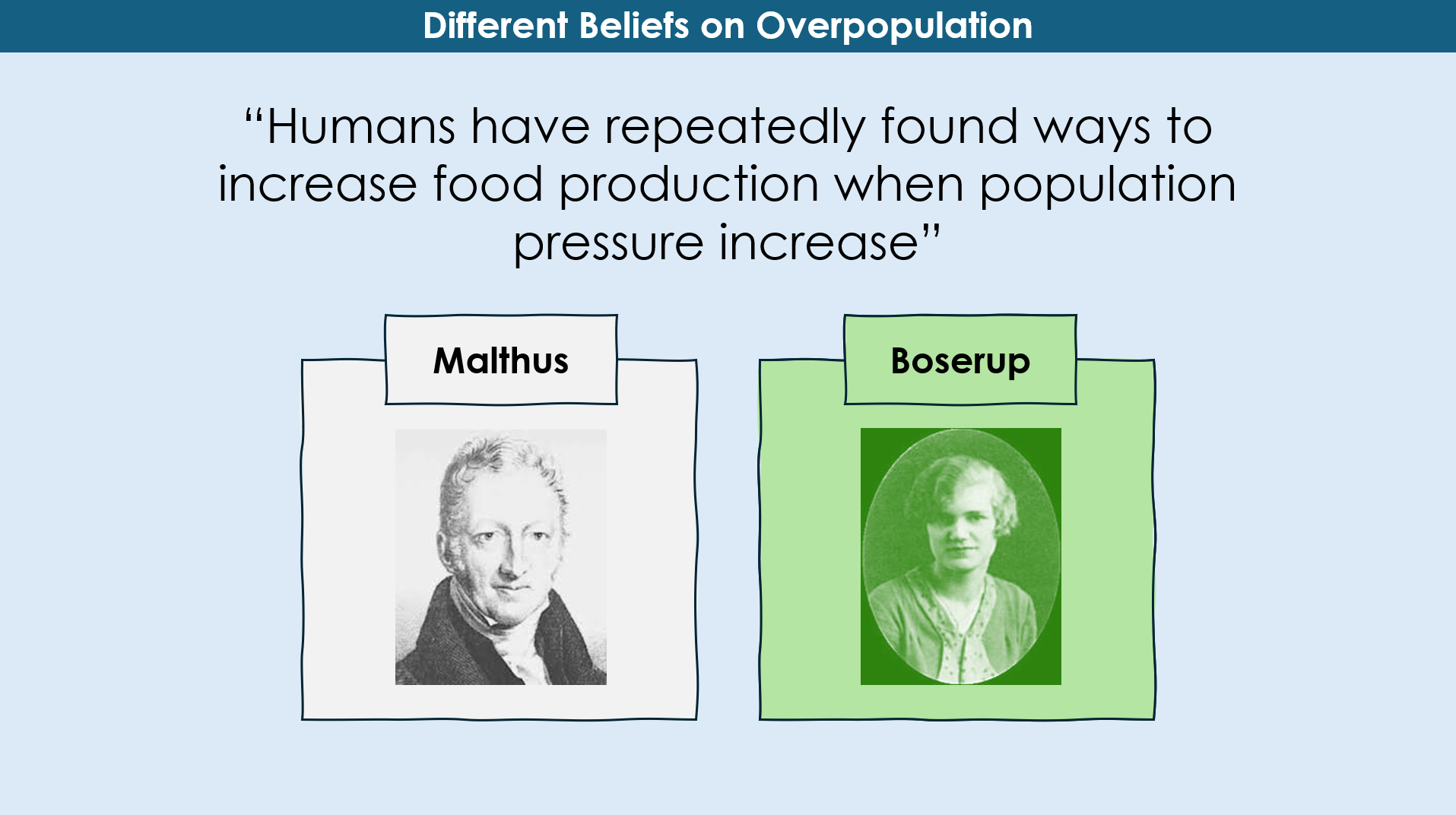
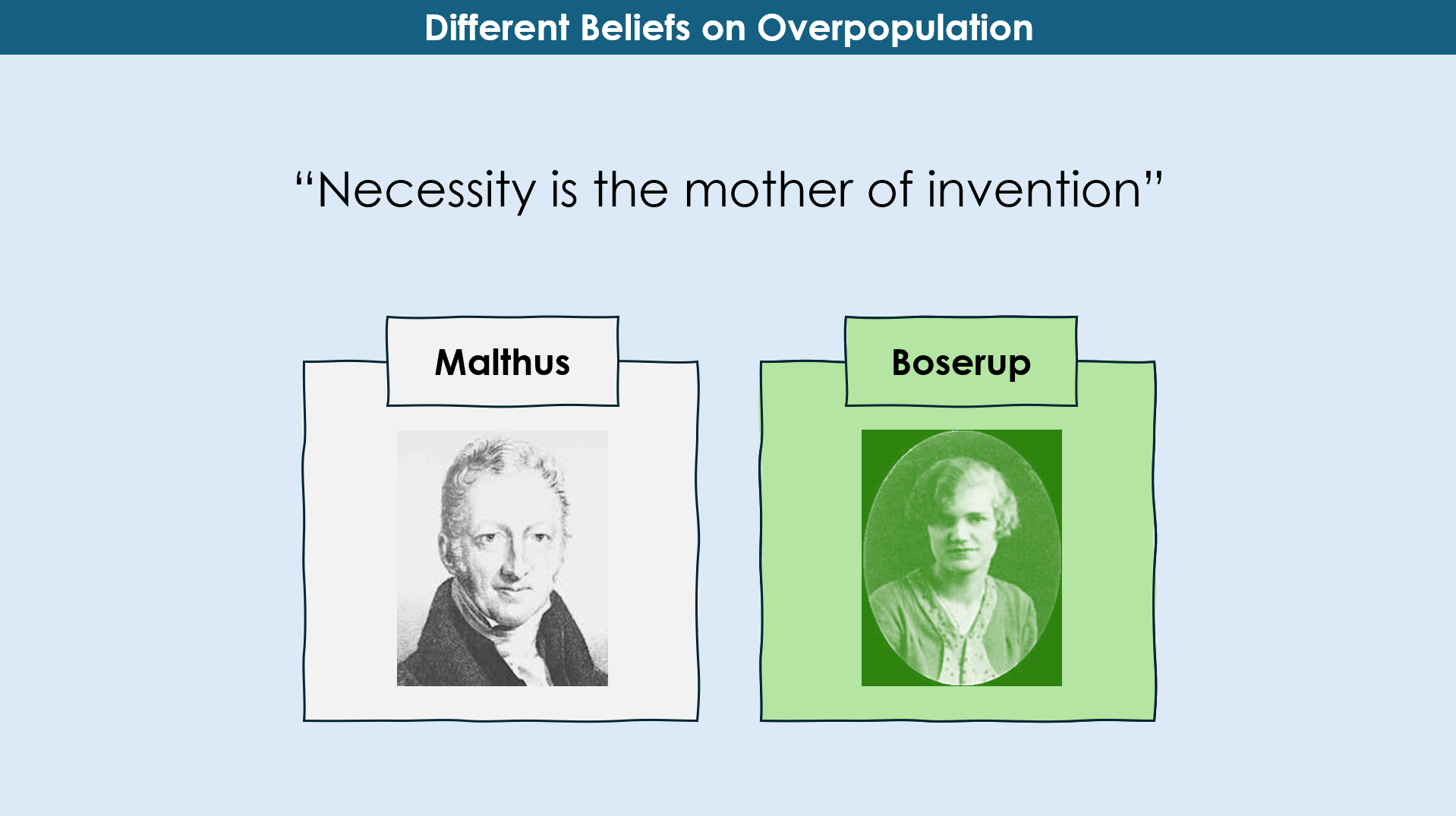
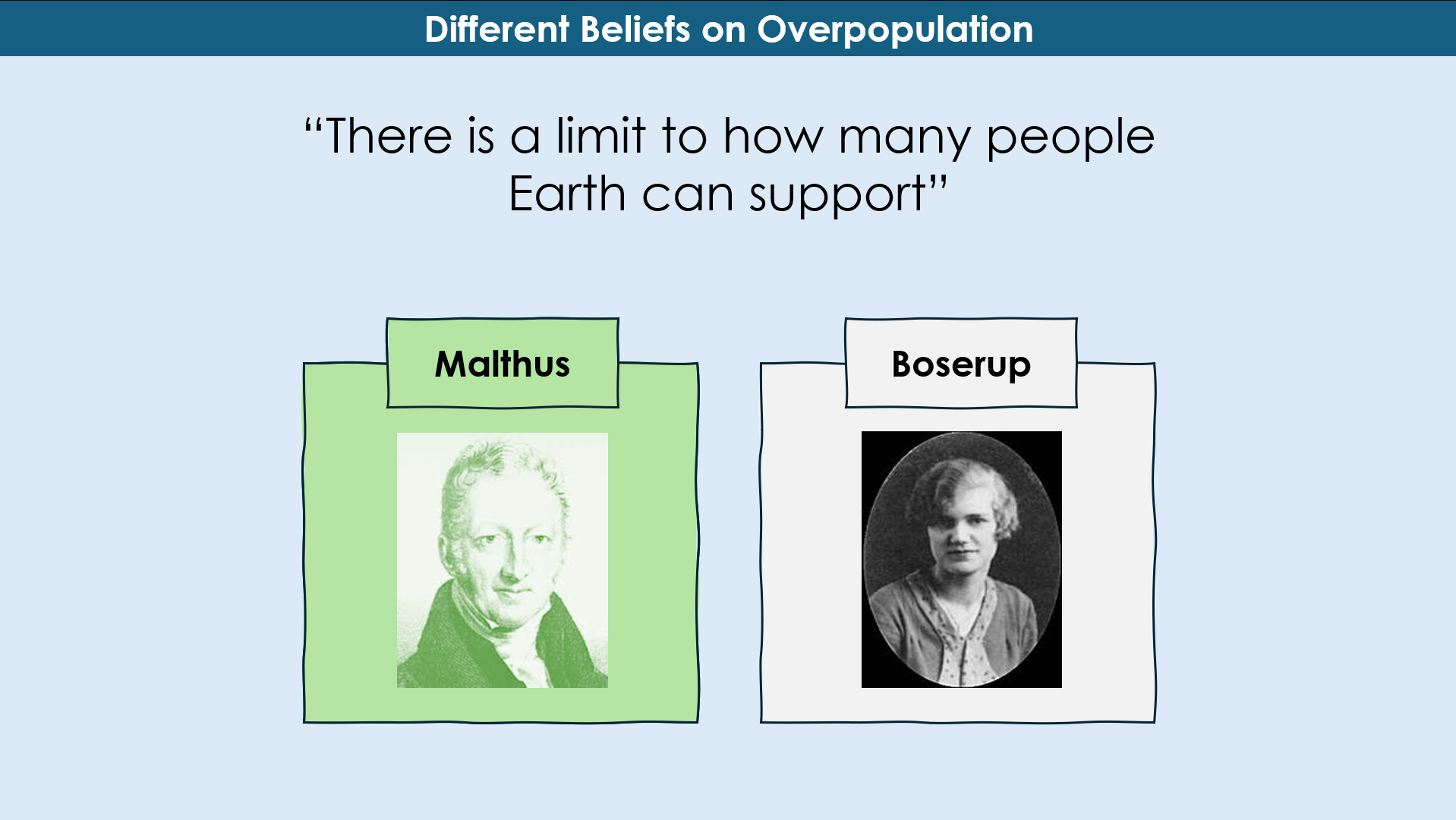
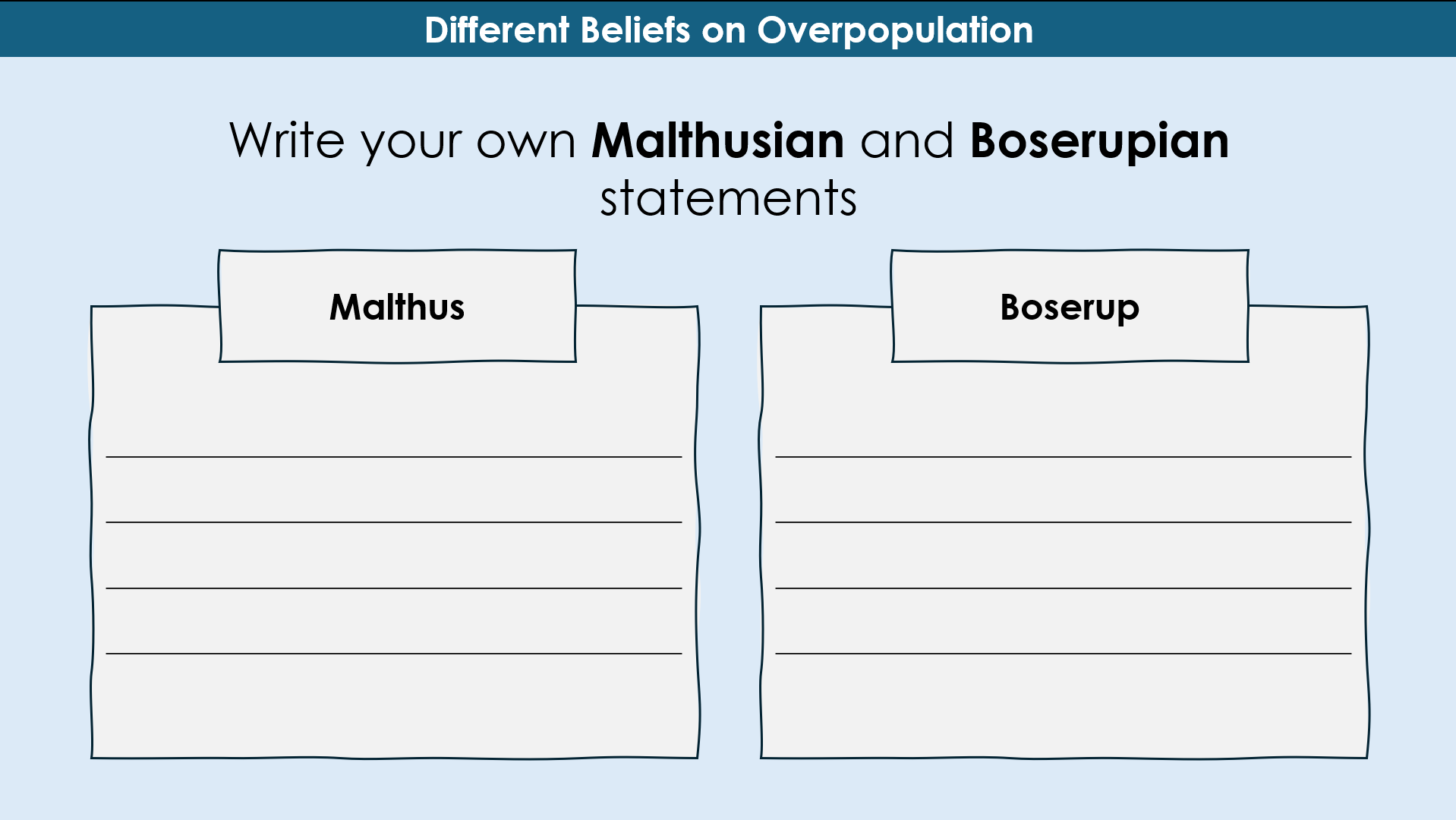
The routine was deliberately simple. Students wrote their answers with their boards covered, then revealed them together on the count of three. Everyone had to commit to an answer before anyone could see what their classmates had written.
Mini-whiteboards change the dynamic of the low stakes quiz here. Every student has to make a decision, so it normalises the idea that everybody must participate. Everyone is included in the thinking.
When misconceptions appeared, we stopped. Why had someone chosen Malthus? What was it about the statement that suggested a Boserupian view instead? With it being low-stakes, it is super easy to stop and address misconceptions as they arise.
By the end, students were getting the answers right consistently. So, I could move on, and for the final round, I asked them to write their own Malthusian and Boserupian statements.
The results were fantastic. Students began coming up with their own original examples and thinking hard about what to write (including references to Thanos's rather extreme solution to overpopulation… at least it demonstrated good understanding!).
Unpacking the activity
Returning to our original challenge - How well did this activity meet the five criteria?
1. Guarantees 100% participation
Every student had to write an answer on their mini-whiteboard. There was no opportunity to simply watch someone else answer the question, and the simultaneous reveal meant that everyone had to commit before seeing their classmates' responses. Of course, with it being a 50/50 answer, there’s every chance that a student might participate in the whiteboard writing, but not be participating at all in the thinking. This is where the justifications become important. I think the power in this approach is that it makes that participation visible in a way that simply asking for hands up does not - it normalises 100% participation.
2. Is inclusive of all learners
All students knew exactly what they needed to do, and the routine was familiar enough that the process itself required very little explanation. Inclusion here was not about giving different students different tasks - it was about designing one task in which everyone could participate meaningfully and equally, allowing all students to build understanding.
3. Allows for responsive teaching
Because every answer was visible, I could identify misconceptions as they emerged rather than waiting until I marked their written work later. If several students confused the two theories, I could pause and reteach the distinction. If only one or two students struggled, I could question them further or use their answers to inform my next explanation. The task gave me information I could act on immediately.
4. Provides a robust check for understanding
An answer alone is not always enough. With a choice between two options, a student might get the correct answer through a 50/50 guess. Asking students to justify their choices provides a more useful check.
5. Creates opportunities for discussion and further questioning
At various points, I asked students to explain their reasoning to a partner: Tell your partner why this answer is correct. I could hear their thought processes and justifications out loud.
Maybe I am just writing about something as simple and age-old as a low-stakes lesson quiz, but it is very much a possibility that the same quiz above could have been rolled out to a class in a much less effective way. Relying on hands up, choosing induvial students to respond, accepting answers from the few, even a ‘hands up for one, now hands up for the other’ approach allows students to just go with the majority. Plus I think it helps students remember the key terms if they have had to repeatedly write them. There is every chance that the quiz above could have been asked in a way that allowed half the room to get away with not thinking, and the teacher would be none the wiser. There is every chance that the quiz above could have been asked, and the teacher relies on a small sample of students (who get it right), but half the room may be completely clueless. There is every chance that this quiz could have (unintentionally) excluded many students from the learning.
What we ask is important. How we ask it is just as crucial. Because how we ask it ultimately determines who we are including in the thinking. As teachers of classes with 30+ students, we want to include everybody in the thinking at the same time, and we want to be absolutely sure that they are.
Same idea, different context:
I used a similar approach with a Year 11 class studying flood hydrographs.
After approximately 15 minutes of explanation, covering what a hydrograph represents, its different components and discussing how the line responds to rainfall, I wanted to establish whether students could apply this knowledge.
The task again was very straightforward. I presented a statement and asked students to identify which of the two hydrographs it described.
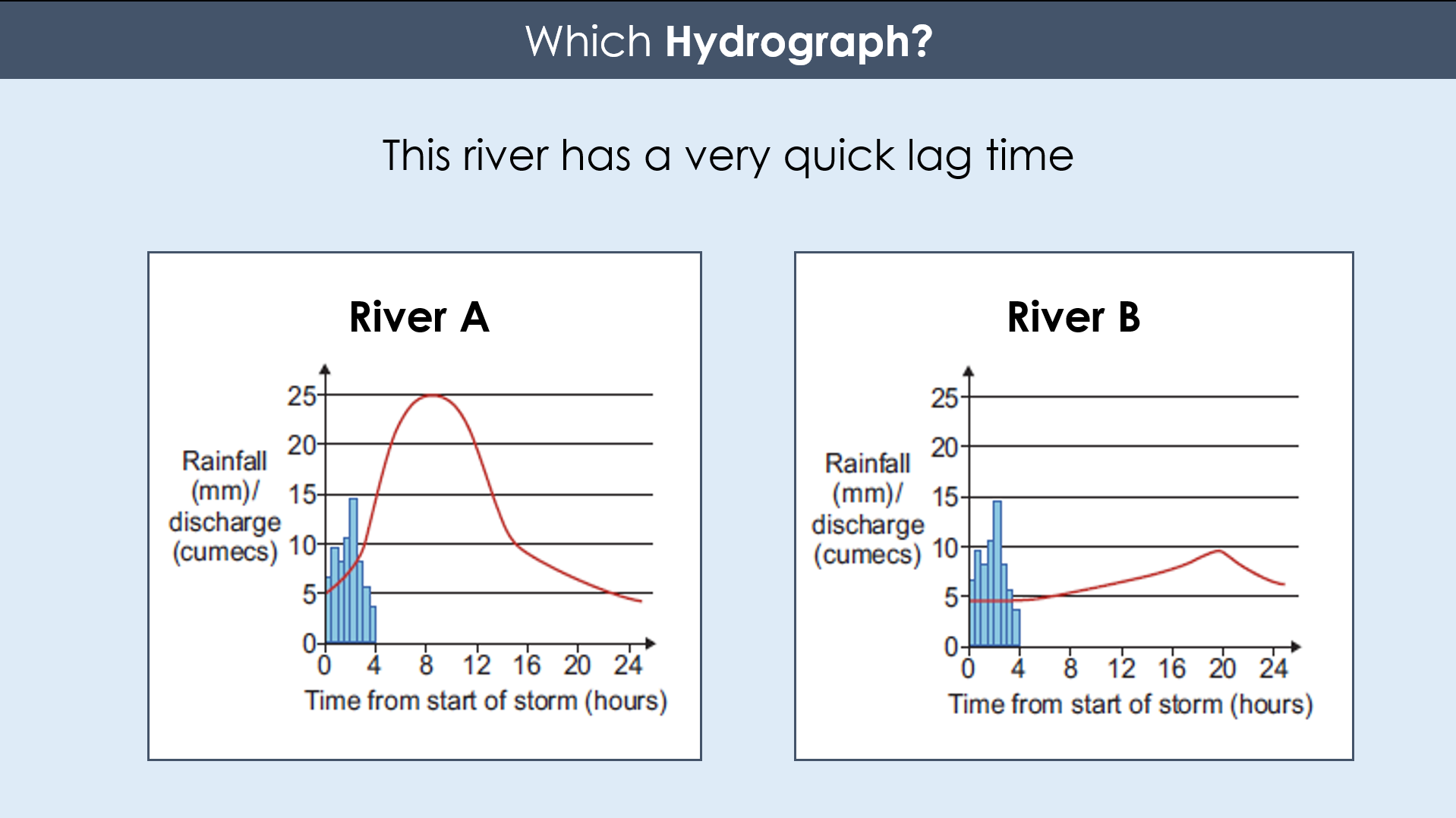
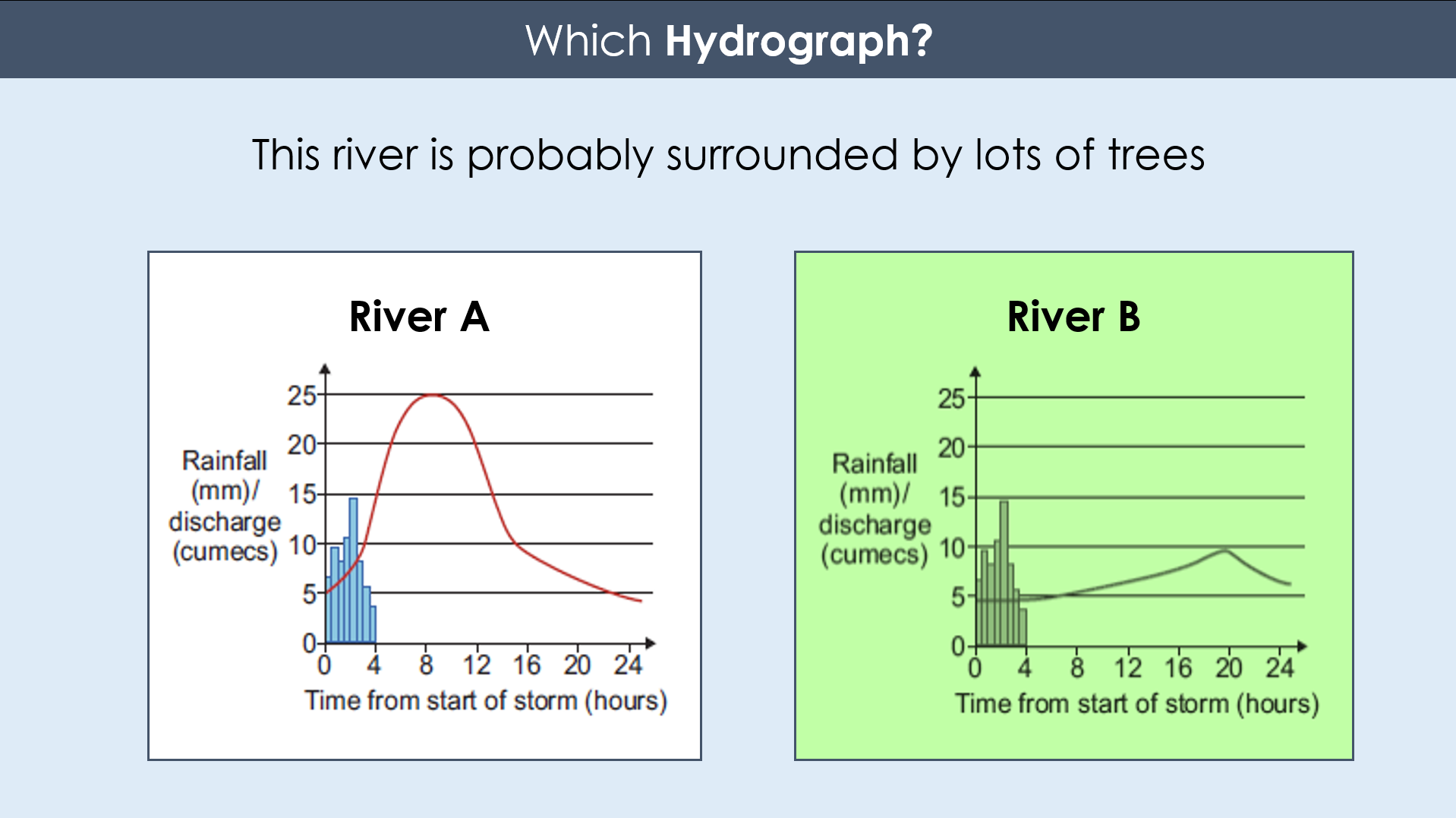
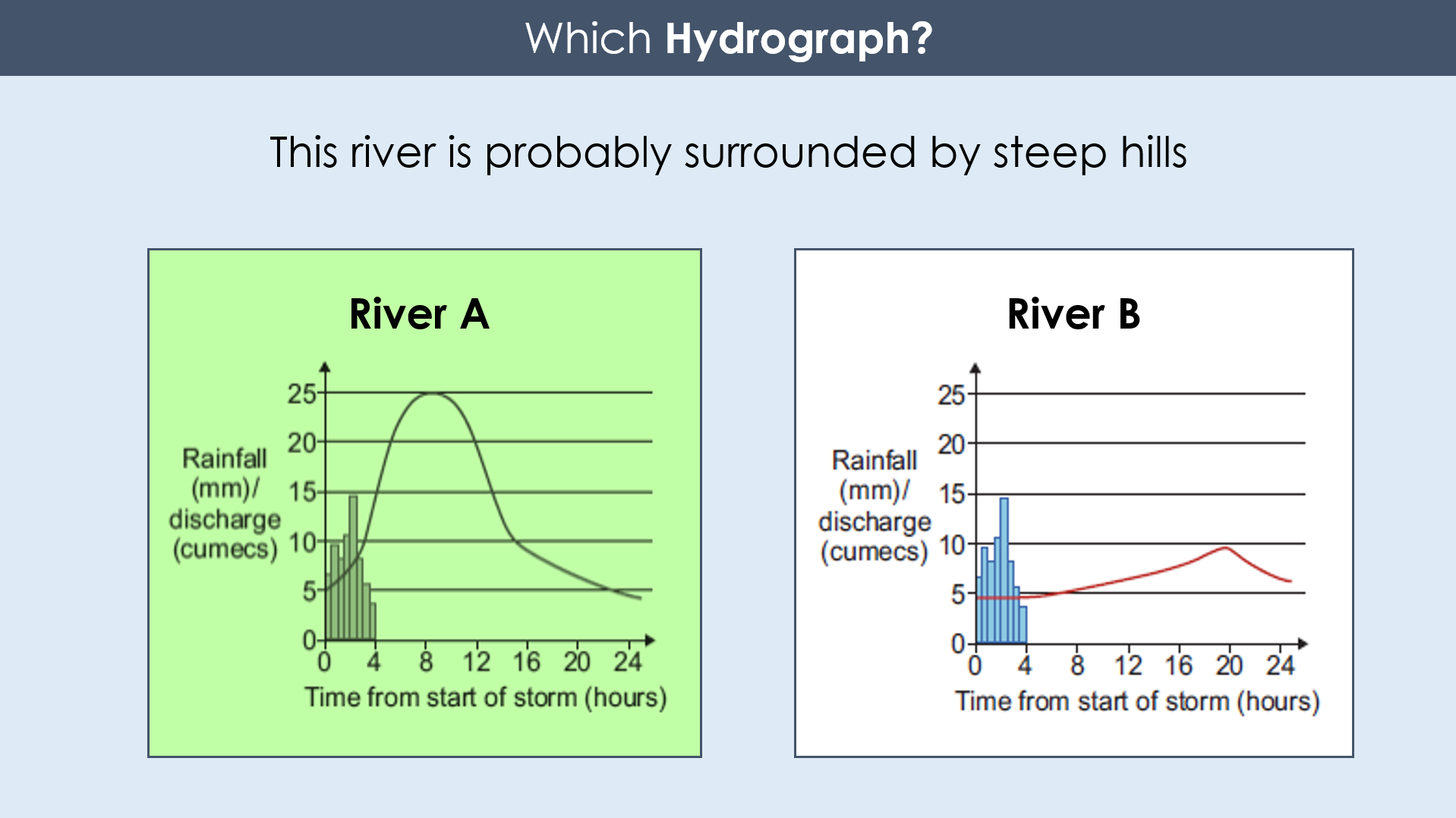
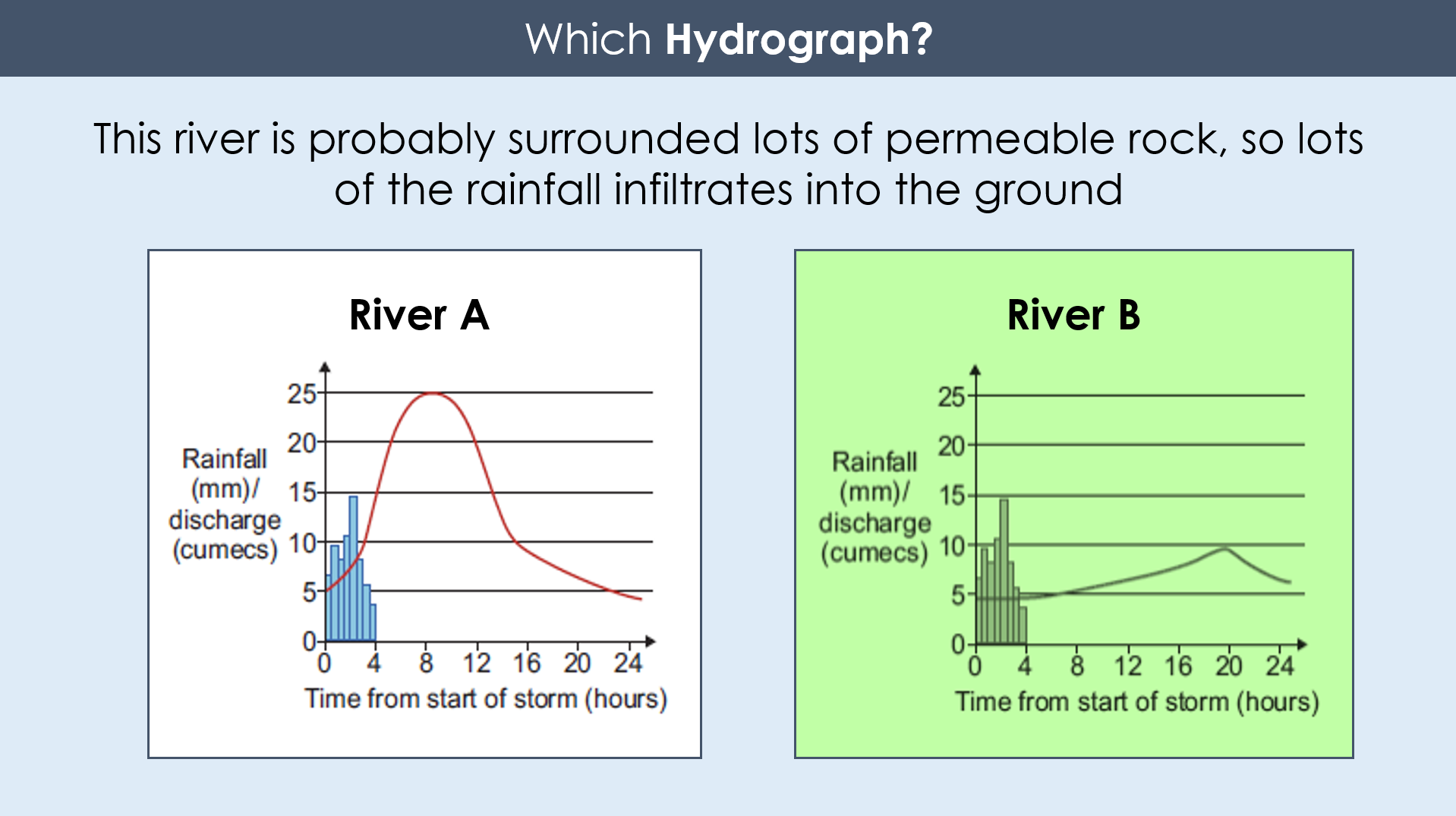
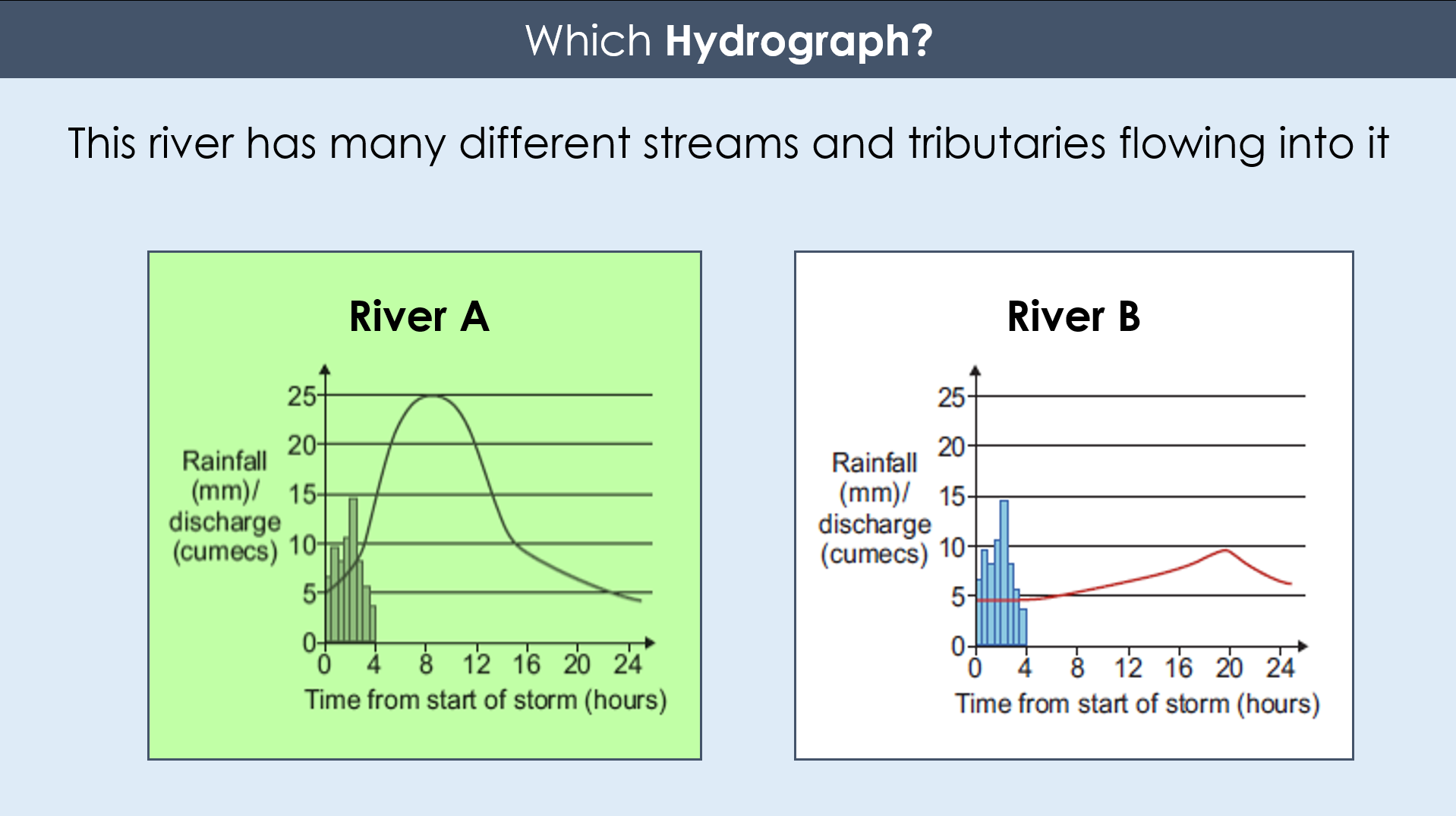
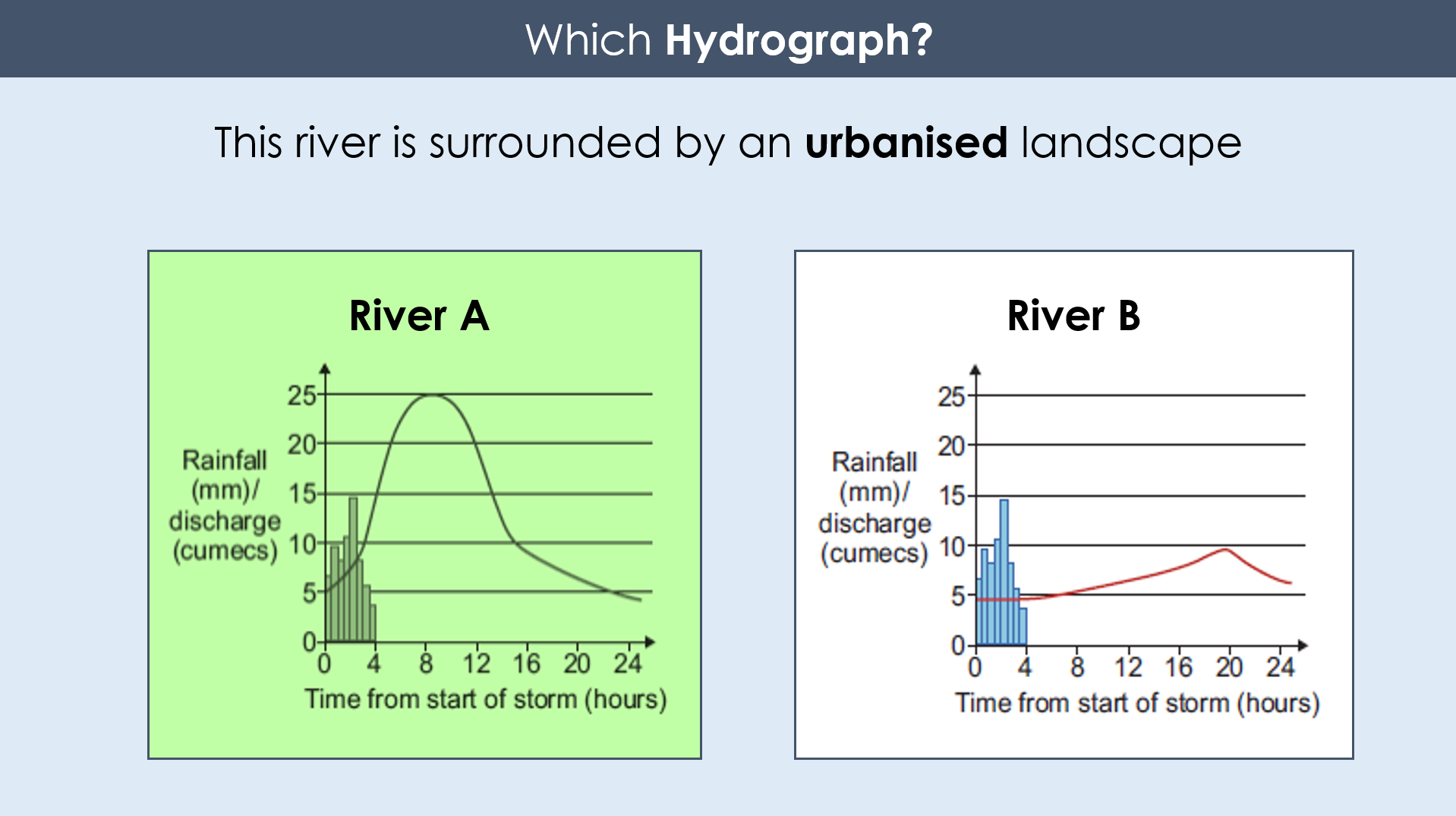
Students selected the appropriate hydrograph on their mini-whiteboards and, crucially, wrote a reason for their choice.
Again, the justification mattered. A correct answer selected from two possible hydrographs might be little more than a lucky guess. An answer accompanied by a convincing explanation gives me a much better indication of whether a student understands the relationship between the characteristics of a hydrograph and the processes that produce them.
The design was identical to the Malthus and Boserup activity. Purposefully simple. The same principles of 100% participation, questioning and checking for understanding.
I've used the same approach much earlier in our rivers unit, when teaching the Bradshaw Model and the changes in a river's long profile downstream.
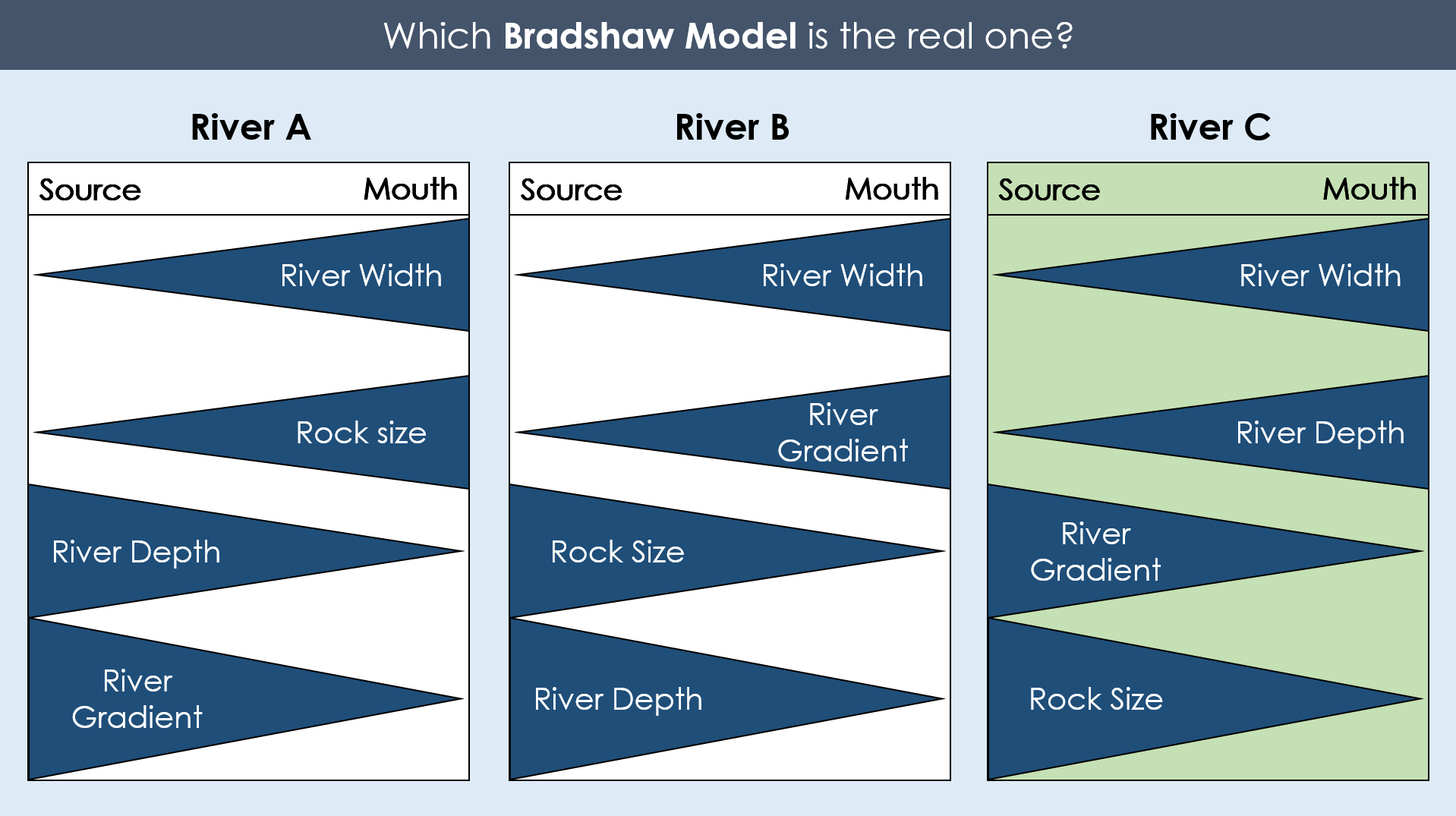
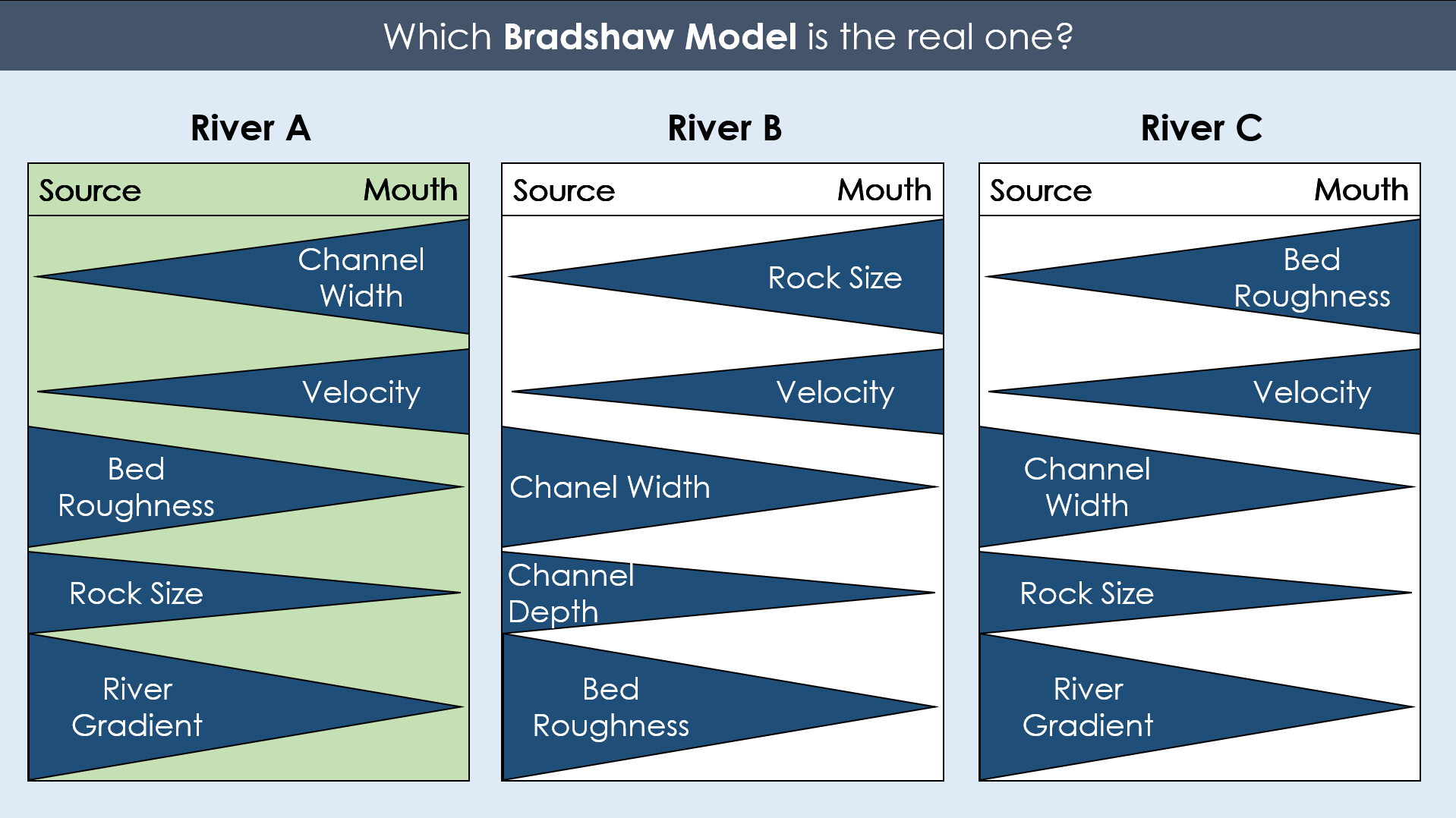
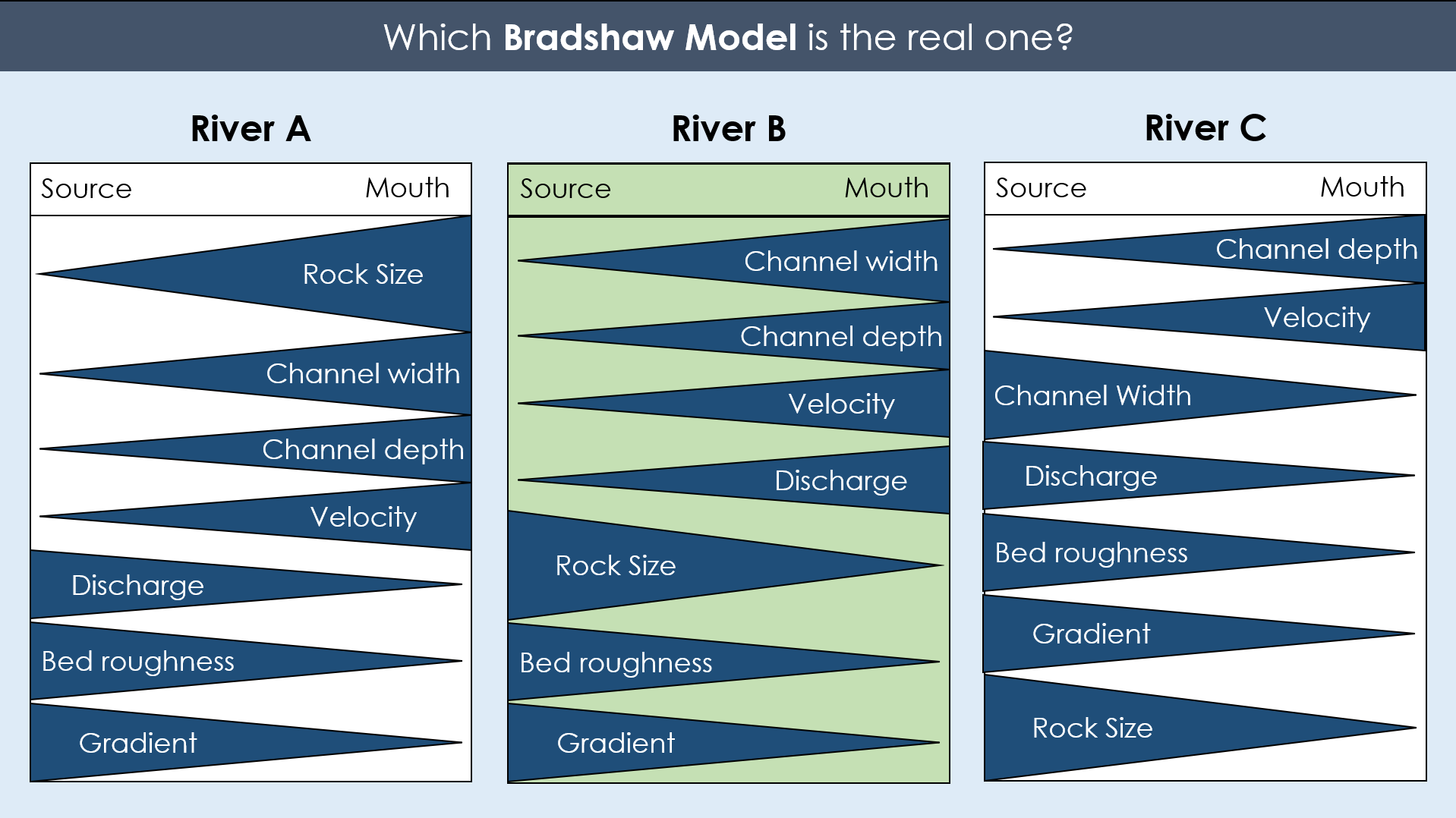
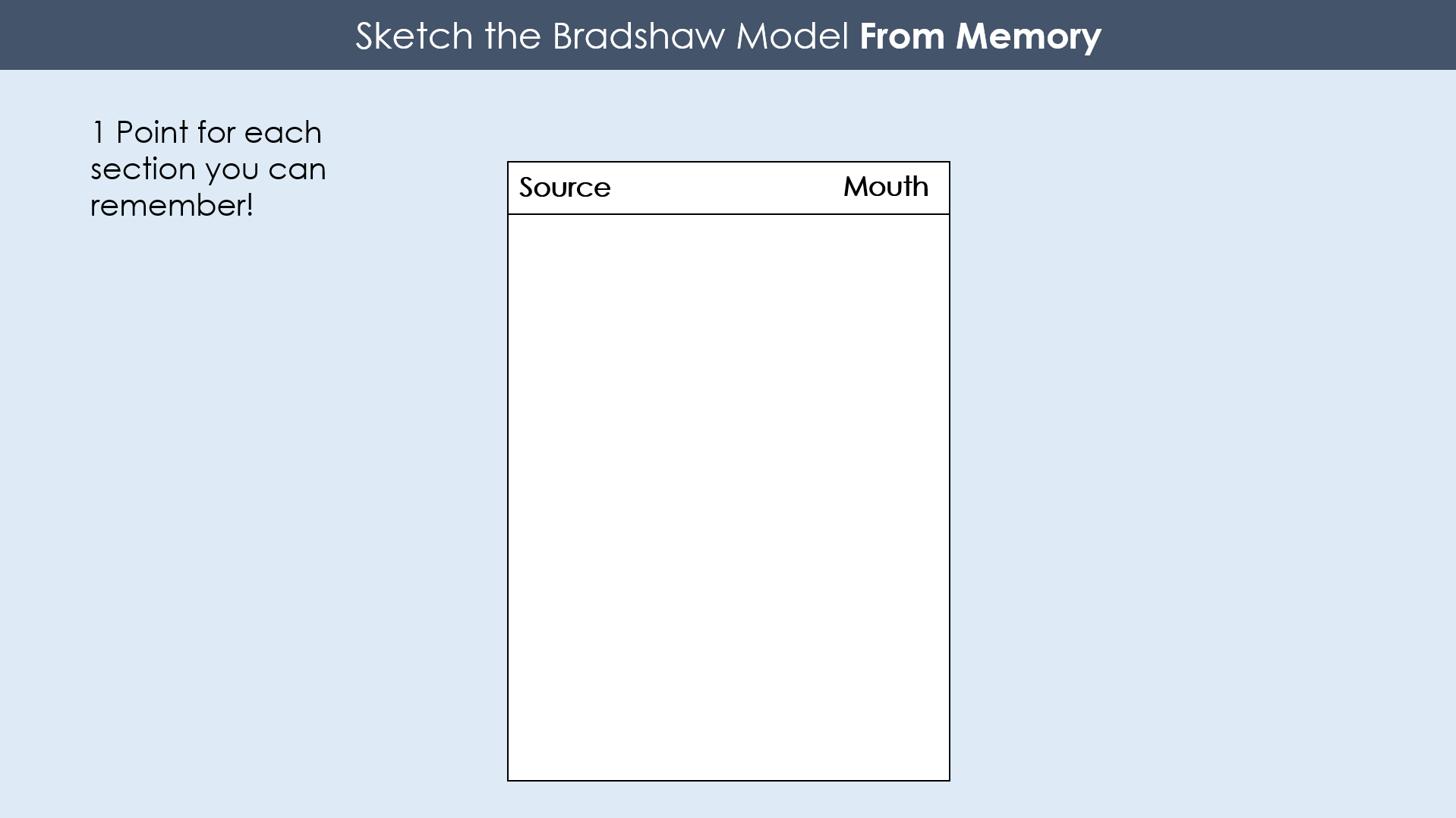
In all of the above examples, the tasks themselves are relatively unremarkable (not feedback that I’d love to hear in some lesson observation feedback, I’ll admit…). But the simplicity is part of the point.
There is very little unnecessary complexity in the instructions. Students can concentrate on the geographical idea and thinking, rather than working out what the activity requires of them. And because the routine is familiar, I can spend my time responding to their answers rather than managing the task.
The slides are simple. The routine is simple. The underlying teaching is responsive and active.
The distribution of thought
David Goodwin makes a point that I think captures the heart of this approach:
“If memory is the residue of thought, genuine inclusion requires us to attend to how opportunities to think are distributed.” — David Goodwin
This is the bit I keep coming back to.
It is entirely possible to deliver a lesson in which a small number of students do most of the visible thinking, while others remain largely passive. If we are serious about inclusion, that should concern us, and we should intentionally design it out of our lessons.
A final thought
One of the things I like most about these activities is that I genuinely enjoy them. I look forward to these parts of my lessons. Getting the whole class involved is satisfying, and there is something reassuring about seeing every student attempt a question. But I think the main reason is that these activities leave me feeling much more in tune with my students' understanding. I have a better idea of what they know, what they have misunderstood and what I might need to explain differently. I can make decisions about my teaching based on something more substantial than whether a few students appear to be following along.
That makes me feel as though I am doing my job at least relatively well, which is always a bonus…
As I've reached the end of writing this, I've found myself wondering whether I've really just written a whole page about something as old as a lesson quiz. It seems I have…
But I think there is a useful point here. Inclusive lesson design does not always require an elaborate new strategy, a differentiated worksheet or a complicated resource. Sometimes, it requires us to look again at an activity we already use, and think more carefully about who is participating in the thinking.
What we ask is important. How we ask it is just as crucial.
All thoughts, comments and discussion are very welcome.
A lot of the thinking behind these resources and ideas can be attributed to lessons learnt from the Walkthrus CPD series and Adam Boxer’s Webinar Series on supercharged questioning and mini-whiteboards. Both CPD opportunities that I would highly recommend.
Resources mentioned in the article can be downloaded below: